composting services near me

worm farm compost


Composting can increase the soil's capability to hold water and nutrients, enhance drainage, and motivate the growth of advantageous bacteria and fungis. It can also help to suppress plant illness and bugs.


To make garden compost, you will need a compost bin or pile, raw material, and water. You can buy a compost bin or build one yourself. If you are developing your own bin, make sure it is at least

compost company

compost company


Compost tea is a fantastic way to get the most out of your garden compost. Little to medium sized gardens and farms can benefit from producing their own compost by following these basic steps: Choose a place for your garden compost bin or stack that is close to a water source and has great drain. To make compost, you will need a compost bin or pile, organic matter, and water. To make organic compost tea, you will need a 5-gallon pail, water, natural matter such as garden compost, manure, or leaves, and an aerator or fish tank bubbler.

worm farm compost conditioner


Organic garden compost is vital for little to medium sized farms and gardens. It helps the soil keep moisture and nutrients, which is important for healthy plants. There are many different materials you can use for composting, but some are better than others.

worm farm compost conditioner
organic compost company

organic compost company


Garden compost tea is an excellent way to fertilize crops produced by little farms. The tea contains nutrients that can assist the plants grow, and it also assists to aerate the soil. Compost tea is likewise known to enhance the taste of vegetables and fruits.

worm compost farm


To make organic garden compost for a small to medium sized farm or garden, you will require to gather leaves, yard, and other natural matter. After about 2 weeks, the garden compost needs to be all set to utilize.

worm farm compost conditioner

worm farm composting


To make the tea, fill the bucket with water and add 1-2 shovelfuls of raw material. Stir strongly or use the bubbler to aerate the mixture for 15-30 minutes. The tea is now all set to utilize. When applying to plants, be sure to water down the compost tea in order to guarantee it is not too concentrated.

worm farm composting

Frequently Asked Questions

Garden compost is a kind of organic product utilized to nourish plants and strengthen the soil. Many products in our home can be composted, including fruit and vegetable peels, coffee grounds, eggshells, and yard trimmings. Even home products such as paper towels, tea bags, and clothes dryer lint are suitable for composting. Even pet hair and fur can be composted. Here are some ideas for developing a compost bin:

You can also add wood shavings to your compost pile. Vegetable animal manure is also a terrific addition to your garden compost stack. Avoid adding lime to your manure or charcoal, as these waste products can cause your garden compost to PH instability.

Since they include nitrogen and can break down, Tea and coffee premises are great compostable products. Teabags consist of tiny amounts of plastic, so you need to thoroughly compost them individually. Shredding paper is an outstanding source of carbon and is fairly simple to digest. Entire paper might resist breakdown in a home composting system, so it's best to use shredded newspaper instead. For more details, read our guide to composting tea bags.

When composting plants, bear in mind that diseases can not be composted, as the disease spreads out throughout the soil. If you accidentally composted a plant that was currently contaminated with late blight, you might spread the disease throughout your garden, so you must not put it in your compost bin. If you are composting dealt with wood, you ought to dispose of it right away. The spores of late blight can take a trip approximately 20 km via the wind.


Lots of items in our home can be composted, consisting of fruit and veggie peels, coffee premises, eggshells, and yard trimmings. Prevent including lime to your manure or charcoal, as these waste materials can cause your garden compost to PH instability.

When composting plants, keep in mind that illness can not be composted, as the disease spreads out throughout the soil. If you inadvertently composted a plant that was currently contaminated with late blight, you could spread out the disease throughout your garden, so you need to not place it in your garden compost bin.
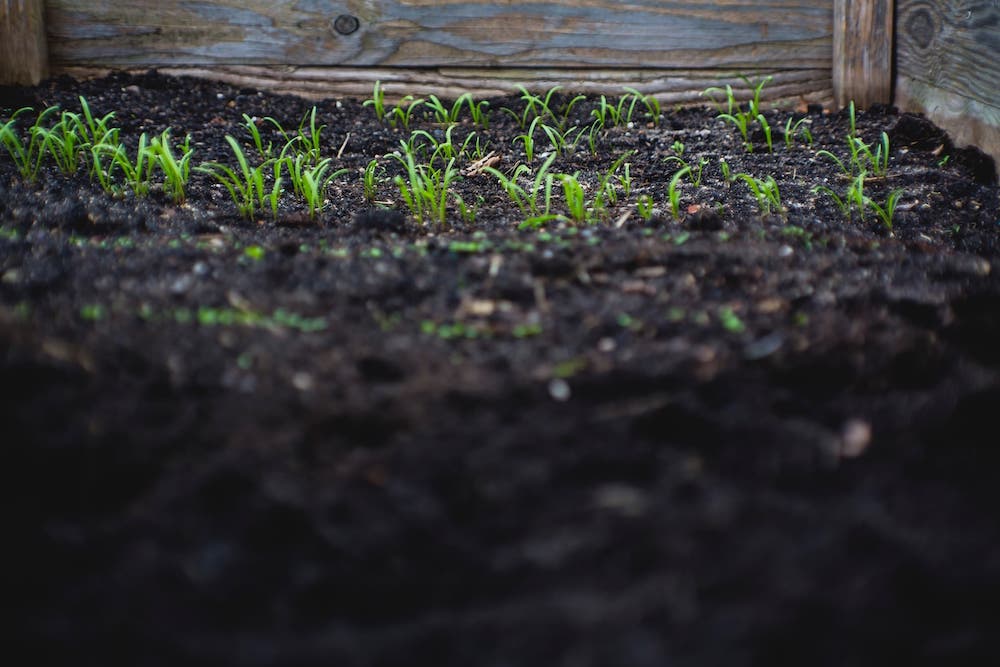
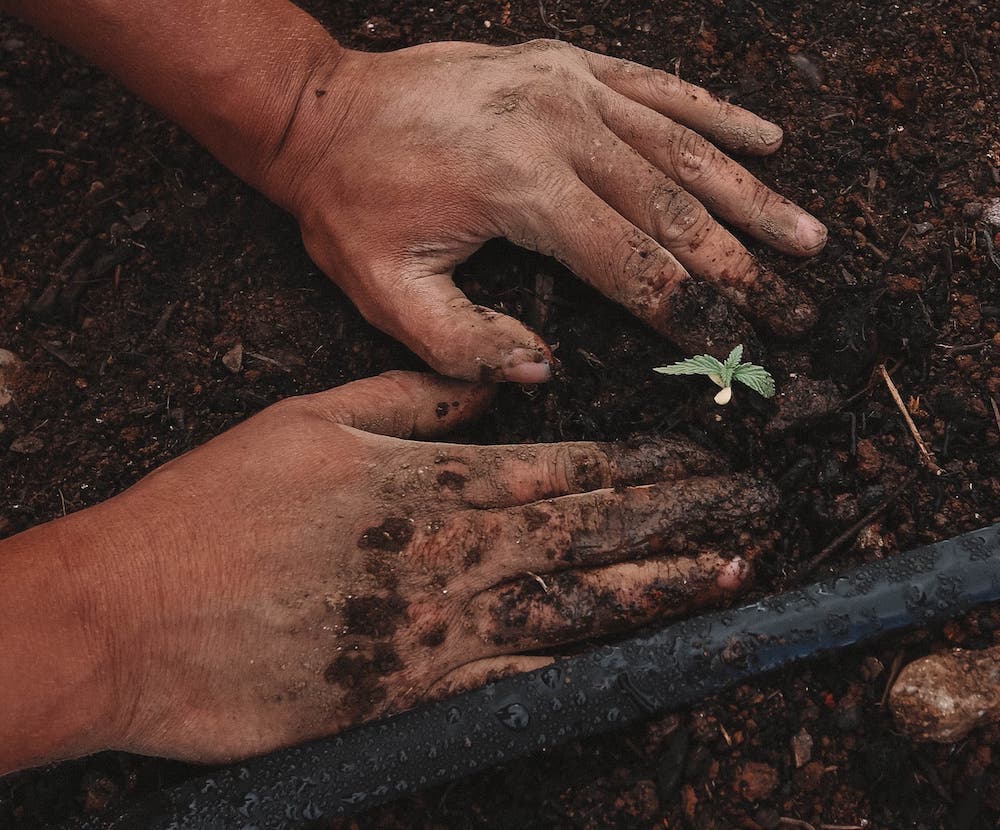
You might be questioning how to start composting. Here are some steps to get you started. To make your compost pile more advantageous, mix browns and greens equally. Browns feed the compost breaking organisms; greens offer the nitrogen required for soil structure. You can also use tea bags or seaweed. The primary goal is to create a wet compost heap. It takes around a year to completely compost. To take full advantage of the benefits of your compost, follow these tips.

It is essential to keep in mind that a compost stack needs to be turned frequently. Compost in a warm environment will break down more rapidly than those in cooler environments. You need to turn your compost pile every two weeks in the spring, 4 weeks in the fall, and 4 weeks in the winter season.

Utilizing kitchen compost bins is the simplest method to get started. Green waste will add nitrogen to your garden compost heap, while brown waste will include carbon. Make sure that you use a compost bag to collect the garden compost after every composting.


Browns feed the compost breaking organisms; greens provide the nitrogen required for soil structure. Using kitchen compost bins is the simplest way to get started. Green waste will add nitrogen to your compost heap, while brown waste will include carbon. Make sure that you utilize a garden compost bag to collect the compost after every composting.

There are numerous benefits of finding out how to compost in the house, but if you aren't sure where to start, it might assist to have a look at a few of the most typical type of materials. Compostable paper is an excellent method to recycle paper items and can also be used as a soil conditioner for houseplants. However you need to know the ideal mix of products to produce a compostable soil.

Composting is a terrific method to decrease your effect on the environment and create a gorgeous garden soil. According to the EPA, 30% of the waste you create in the house can be composted, therefore minimizing your household's carbon footprint. What's more, composting will save you cash since you'll no longer require to acquire trash can. You'll likewise have less pieces of waste to give the curb.

There are 2 types of waste you can compost: inorganic and natural. Organic waste includes things such as veggies, fruits, and even wood and leaves. The garden compost process takes 2 to two months, but it's well worth it in the long run. Your garden will take advantage of this fertile soil in the future. Once you have actually made compost, you can use it in your garden or on your home. Just make sure to compost regularly and you'll soon have an abundance of nutrients.

When discovering how to compost at house, make sure you follow the standard steps: preparing the products, constructing a bin, and mixing them. Regardless of the type of compost you produce, you should pick a place in which you'll be discreet and not noticeable.


There are many benefits of finding out how to compost at home, but if you aren't sure where to begin, it may assist to take a look at some of the most typical kinds of materials. According to the EPA, 30% of the waste you create at house can be composted, thus lowering your home's carbon footprint. When discovering how to compost at home, make sure you follow the standard actions: preparing the materials, building a bin, and blending them.